
Published: October 31st, 2025
Here's What To Know About Removal/Deportation Proceedings in Today's Landscape
The words "deportation" or "removal" can strike fear into anyone's heart, but understanding the process is the first step towards navigating it. If you or a loved one in Florida is facing the possibility of being ordered to leave the United States, you're not alone, and it's vital to grasp how these proceedings work. While every case is unique, and current administration policies significantly influence how these steps unfold, including how cases are managed and who is detained, let's break down the general flow of a US immigration court removal/deportation process, including crucial deadlines and the impact of an appeal.
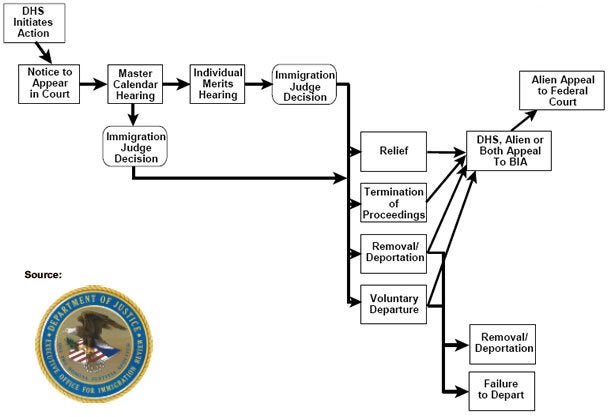
Understanding the Road Ahead: Key Steps in Removal Proceedings (and What's Different Now)
No two cases are exactly alike – your specific situation, the charges against you, and any potential legal remedies will differ from case to case. Below are the typical stages in the removal process you are likely to encounter. However, the current administration's policies along with any timeframes may affect your removal process and/or removal defense. Here's what to expect:
- Removal/Deportation Starts with a Notice to Appear (NTA): The government starts the process by serving a Notice to Appear (NTA). Think of this as the official summons – it details why they believe you should be removed and when you need to be in immigration court. The issuance of NTAs can be influenced by evolving enforcement priorities. While there isn't a fixed timeline for an NTA to be issued after a triggering event (like a visa overstay), once issued, it places your case on the court's docket. Sometimes, an NTA might be issued without a court date, and you'll receive a separate Notice of Hearing later.
- Detention (Often, with Fewer Bonds): It's not always the case, but many individuals facing removal are now detained by immigration authorities. This often happens if they're considered a flight risk, a danger to the community, or have a criminal history, or are subject to expedited removal/fast deportation. Under recent policy shifts, it has become significantly more challenging for individuals to be released on bond, leading to prolonged detention for more people, even those without serious criminal backgrounds. This is a notable departure from past practices, and securing an immigration bond has become particularly more difficult now.
- Your First Court Date: The Master Calendar Hearing: This is your initial meeting with an immigration judge in immigration court. Here, the judge will review the charges, hear your side, and explore if you're eligible for any "relief" (legal ways to avoid deportation). They'll also set future dates. Master Calendar Hearings are generally brief, often lasting only 10-15 minutes, but you might wait hours for your turn. The time between receiving your NTA and your first Master Calendar Hearing can vary widely, from a few weeks if you are detained, to several months or even years for non-detained cases, depending on court backlogs.
- Seeking Relief: Filing Applications (and Pretermission): If you qualify, you'll have the opportunity during subsequent hearings to file applications for relief. This could mean applying for asylum, cancellation of removal, or even adjusting your immigration status based on your unique circumstances. However, judges may now be more inclined to "pretermit" (deny without a full hearing) applications for relief if they deem them legally insufficient on their face, streamlining some cases but requiring even more robust initial legal arguments. Deadlines for filing these applications are set by the immigration judge, often ranging from 30 to 60 days after the Master Calendar Hearing, or as part of a scheduling order. Missing these deadlines can lead to your applications being deemed abandoned.
- Your Day in Court: The Individual Hearing: This is often the most critical hearing in immigration court. It's your chance to present all your evidence and arguments, explaining why you should be allowed to stay and offering any legal defenses against deportation. Individual Hearings are often scheduled months or even years after Master Calendar Hearings due to court backlogs, and they typically last several hours, as the judge focuses solely on your case.
- The Judge's Decision: Order of Removal: If the immigration judge determines you are "removable" and no relief is granted, an Order of Removal is issued, instructing you to leave the country.
- The Power of Appeal (Strict Deadlines Apply): If you receive a deportation order, you have the right to appeal! This is a critical stage with very strict deadlines. You must file a Notice of Appeal (Form EOIR-26) with the Board of Immigration Appeals (BIA) within 30 calendar days of the immigration judge's decision. If the decision was made orally in court, you should state your intent to appeal at that time to preserve your rights. Missing this 30-day deadline is almost always fatal to your appeal. Further appeals to federal circuit courts in Florida must generally be filed within 30 days of the BIA's decision.
Does an Appeal Stay Removal or Deportation?
This is a crucial question.
- An Appeal to the BIA: Generally, when you file a timely appeal to the Board of Immigration Appeals (BIA) from an immigration judge's decision on the merits of your case, the Order of Removal is automatically stayed. This means you generally will not be deported while your appeal is pending before the BIA. The stay remains in effect until the BIA issues a final decision.
- An Appeal to Federal Court: If you appeal the BIA's decision to a federal circuit court, the appeal does NOT automatically stay your removal or deportation. To prevent deportation during a federal court appeal, you must file a separate "motion for a stay of removal" with the court, which is a discretionary decision by the court.
- Motions to Reopen/Reconsider: Filing a Motion to Reopen or a Motion to Reconsider does not typically result in an automatic stay of removal unless it's a motion to reopen an in absentia order (an order issued because you missed court). In most other cases, you would need to separately request a stay of removal from the immigration judge, BIA, or ICE, which is discretionary.
- Enforcement (Including Case Dismissals leading to Detention): If appeals are exhausted or not pursued, immigration authorities will then work to enforce the removal order, which might involve detention until deportation or facilitating your departure. If you do not appeal the IJ's decision within the 30 days, the Order of Removal becomes final, and ICE may take you into custody immediately. In concerned recent developments, the current administration has, in some instances, moved to dismiss cases in immigration court, only for individuals to then be immediately detained by ICE (Immigration and Customs Enforcement) upon leaving the courtroom. While a dismissal sounds positive, this tactic can strip individuals of the opportunity to pursue relief within the immigration court system, making individuals vulnerable to expedited removal without full due process.
A Critical Consideration: Voluntary Departure (Strict Timelines)
Sometimes, individuals are offered "voluntary departure," allowing them to leave the U.S. willingly within a set timeframe. This can have certain advantages, such as avoiding some penalties. However, this option comes with strict deadlines. If granted by an immigration judge before the conclusion of proceedings, the period is typically up to 120 days. If granted at the conclusion of proceedings, it's usually up to 60 days. Crucially, a bond must often be posted within 5 business days of the order. If you fail to depart within the specified period, the voluntary departure order automatically becomes a final Order of Removal, and you may face a 10-year bar to re-entry, along with other penalties. This is a decision you absolutely should NOT make without first consulting with a qualified immigration removal defense attorney, especially given the current emphasis on increased enforcement and detention and the severe consequences of missing the deadline.
Facing removal proceedings in Florida is a challenging time, and the landscape of immigration enforcement is constantly evolving. Understanding each step, how current policies and strict timeframes may influence your case, and whether an appeal will stay deportation, are important factors to consider. Most importantly, securing experienced legal representation is paramount to protecting your rights and exploring all possible avenues for your future.
If you or a loved one in Florida is facing deportation or has received a Notice to Appear, don't navigate the complexities of immigration court alone. Contact TCB Legacy Law today for a consultation. Our experienced immigration lawyer is here to provide the dedicated legal guidance you need to fight for your future. Contact our firm to schedule your consultation at (954) 302-8989 to learn more about how we can help with your removal defense case in Florida.
